Do you really need an expensive DSLR camera? Point-and-shoot vs professional DSLR

226 Flares 226 Flares ×

How important the camera and lens for a photographer? This is our bread and butter, all our work depends from it.  A good camera and high quality lens can do wonders in a good hands.

In this post I would like to talk about camera for those of you who just entering a photography field, working on the portfolio and wondering what to spend that never-deep-enough budget on.
As usual, I’ll be talking about things I know: the studio photography.

Here, in the studio, the lights is the most important things to know: if you’ll know how to work with the light, you’ll be able to shoot product. If not, there is no way you can convince the client that the crappy photo you did is your unique “vision” of the subject: There are very distinctive requirements for the lighting for a product photography.

In my opinion, most important thing to do for a beginner is to build a good portfolio: solid, cleaned and distinctive from the rest of the crowd. Without real assignments you can only fill your portfolio with images created for self-promotion:  this is what I had 6 years ago in my portfolio, most pieces were done with Sony Cybershot, my first digital camera.
The only “technical” requirement for the quality (not talking about the actual content of the photo) of the portfolio image is to be good at web size, about 1200×1024 pixels max. Which means the camera/lens combination can be very inexpensive… continue reading and you’ll see my point:-)

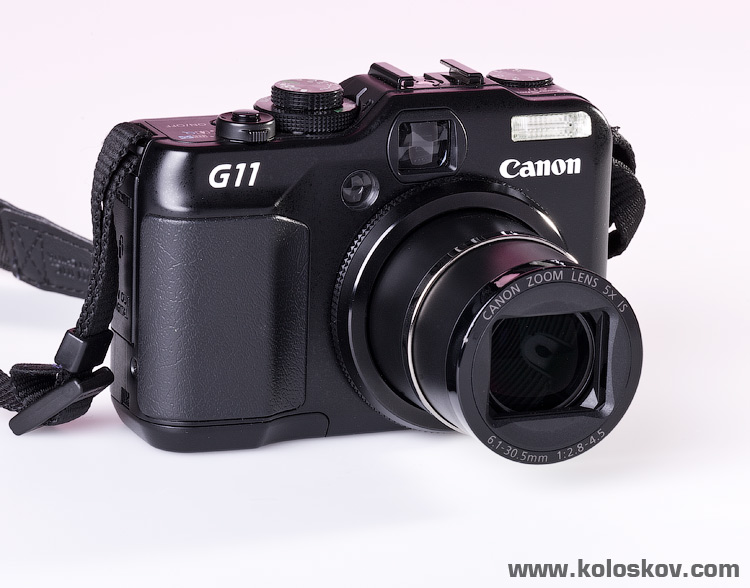
Let me show you what can be done with some knowledge, 3 strobe monolights and an empty room (read: studio)  and little 10Mpx point-and-shoot Canon G11 camera. Everyone, virtually every family has this kind of camera. But how many of us use the maximum of it?

Here is our hero:

Canon g11 by photigy

This camera has everything you need as a studio shooter: manual focus, manual exposure control, RAW, and macro shooting mode.
I was simply re-doing our recent photo shots, composing the same or similar photos we did lately. All the shot were done with 1/2500 sec ( the max x-sync I was able to set on the camera.) and F6.3 (similar DOF on 35mm will be achieved at F22).  We spend about 20 minutes for each shot, including setup time.

I’ve included 100% crops to show the real quality, but remember: here I am talking about web-size images for portfolio, Flickr, etc..

  • Product macro photography.

    The same watch we had on the latest masterclass. Similar lighting setup, 1/2500 sec F6.3:
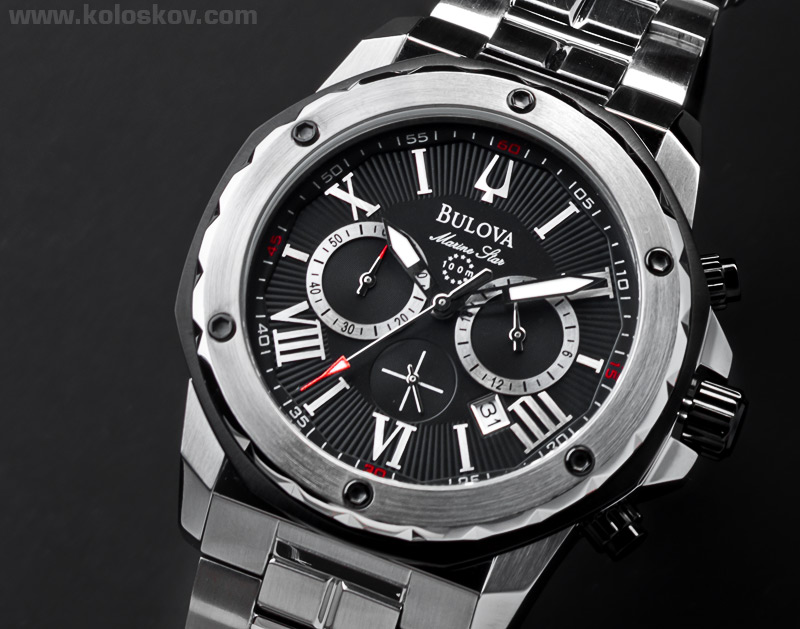
    canon G11 powershoot example studio image watch product by photigy

    This is only 20 minutes effort, and what you see is almost as-is image.
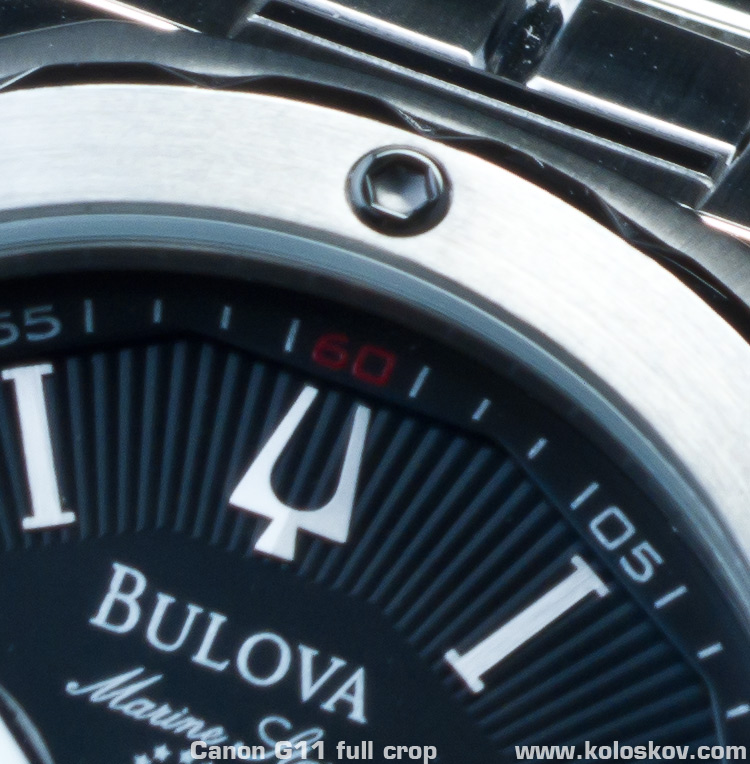
    100% camera  RAW  crop:

    canon g11 full crop watch product example

    canon g11 full crop watch product example

    Sharpness was the worst (among all 3 shot described in this article), probably I was not good setting manual focus here. However, if we look at web-size photo, the result is quite acceptable for a portfolio. It is not as refined as the one I have on a masterclass announcement, but on this one we did not spend even 10% of a post production we had on the “real” one.

  • People photography

    Similar to what we did for our recent Kids fashion photoshoot.

    Canon G11 studio canon G11 example kids photography atlanta

    Canon G11 studio canon G11 example kids photography atlanta

    Does anyone can say what camera it was shot with? No way: I’ve seen on web so many great photos done on $8K cameras looking even less sharper only because people were not good enough at optimizing their hi-res images for web.

    100% crop of the similar one form the same set:

    canon g11 kids portrait 100 crop example studio product photography

    canon g11 kids portrait 100 crop example studio product photography

  • Water splash

    This is where little G11 is really shining: X-sync of 1/2500 of a second (this is what I was able to set, 1/4000 was not available for unknown reason) made possible to use standard Paul C Buff monolights for this shot: extreme fast shutter speed freeze the action. Something what I was not able to accomplish with my Canon 1Ds MKIII.
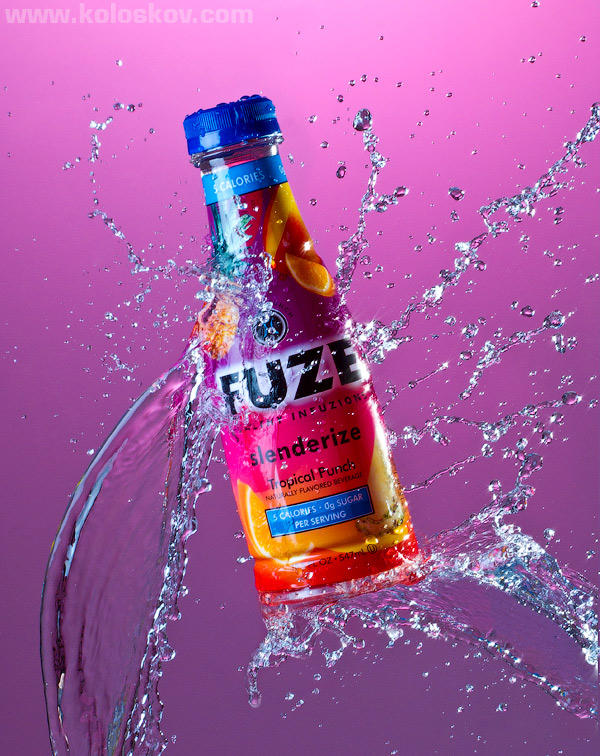
    Canon G11 splash water sample image studio by Alex Koloskov

    Canon G11 splash water sample image studio by Alex Koloskov

    Looks pretty good, isn’t it?  We spent 20 minute total for this shoot, including setup time. Would you put something like this in your portfolio?
    100% crop of the camera RAW:
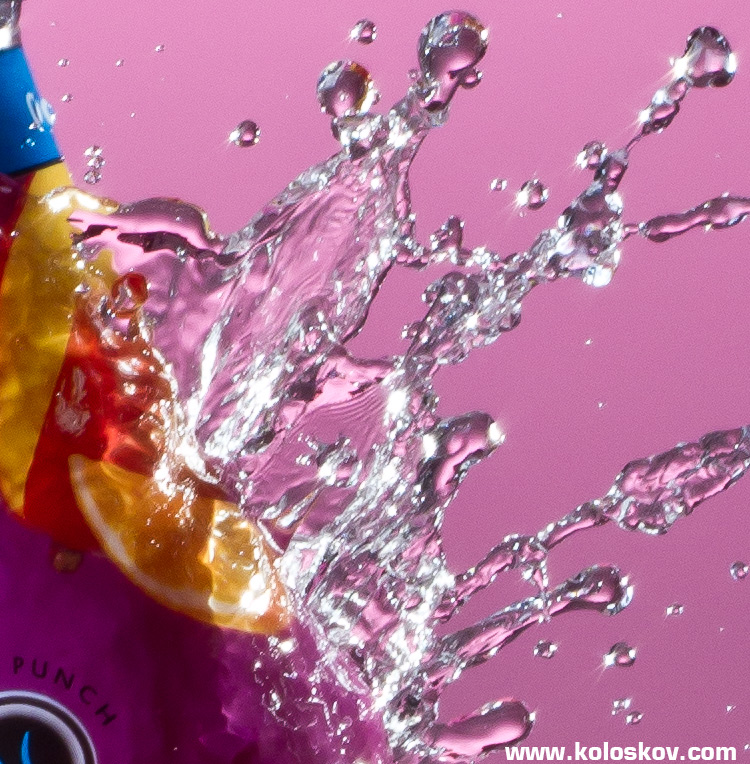
    canon g11 water splash 100 crop sample

    canon g11 water splash 100 crop sample

    For the comparison, here is the similar type of shoot done with the same Paul C Buff lights at the same power level, done by 1DsMKIII at 1/250 sec (more about this shot here):
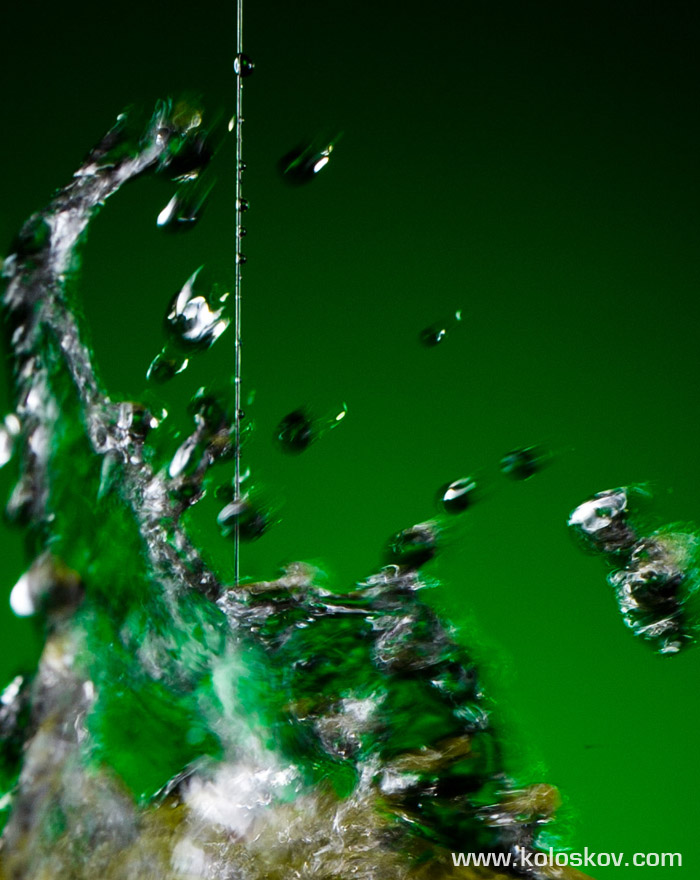
    photigy water splash masterclass long flash duration example 100% crop

    What a difference!? There is a huge advantage of point-and shoot electronic shutter, which made possible to work with non-expensive long duration monolights with water splash this way. Also, working with high-power monolights is much easier then trying to get something similar with hot-shoe dedicated speedlites.

The video, as promised:

The bottom line:

I am not arguing that good camera is a must-have for a professional photographer. All DSLR are much faster and most of them more convenient to work with then point-and-shoot ones.   However, do you really need new expensive DSLR to learn how to shoot, to build your portfolio?
I have hard time answering my amateur but wanted-to-be-a-photographer  friends when they ask me about what camera (canon 7D or 5D ? as example) or lens to buy to “start from”.
Usually they do not understand what I am saying, thinking I am kidding or playing stupid…:-)

Here is my thoughts:
Unless you have $5000 to start with, the camera is the last thing you should consider to buy. For in-studio photography there are so many other things to spend money on…
Things like:

Lighting. 3-5 monolights (or heads with power pack or even like these screw-in poppers), and various light modifiers (honeycombs, different sizes soft-boxes, snoots, diffuser panels, gels, etc…).  Shooting table and accessories, such as flex and articulated arms, clamps, tripod, remote, laptop to shoot tethered…

You can use this list I’ve build to get most of the stuff needed for very few $$: Studio equipment buying guide for beginners

And, you can buy new Canon PowerShot G12 :-)

Get the lights and start to shoot!
Learn the lighting, invest your time and energy to build something unique, something which will catch eye of every portfolio viewer. Keep money to get better camera WHEN you’ll really need it: owning pro gear does not make you a pro:-) We all know this, right? But that excitement when you hold a big expensive SLR body is so tempting… I know:-))

Ok, I may exaggerate it a little, point and shoot may be too much for some of us to start working with… However, I still hope you’ll get the main idea of the article :-)


Want to learn more about how to use equipment to get 110% out of it’s possibilities? Check out my upcoming online course:


What you will learn about Studio Photography?

Every day I receive emails from fellow photographers with questions asking for my suggestions about studio lighting, cameras and lenses, grip and support for the light modifiers, and even more questions about how to use all this equipment.

This online course will be a complete guide for a beginner of studio photography, as well as for all experiences of photographers who want to expand their expertise in studio photography. This 3 hour video course consist from 3 parts, and each part will be followed by 15 minutes interactive Q&A chat session with me.

It can be so frustrating and expensive to go error-and-trial way when it comes to a studio equipment, and I am sure this course will save your time and money.

Register now, seats are limited!


Good luck for you and your photography!

Alex
About The Author: Alex Koloskov

The lighting magician, owner of AKELstudio, Inc.


You may also like to read:

21 comments to Do you really need an expensive DSLR camera? Point-and-shoot vs professional DSLR

  • Олег Гаврилов

    Английский не знаю,по этому по русски.У меня тоже электронный затвор,SONY A99 и моноблоки Jinbei DPsIII-400 Series Pro Digital Studio Flash пишут китайцы 1/2600 про импульс,по этому и купил их,но реально такого нет,смаз.С моим затвором как заморозить жидкость,или это не реально???

    • Oleg,
      Sony A99 has a mechanical shutter, and it can’t sync after .. 1/200 or whatever is x-sync speed. Meaning that you have to use fast strobe (short flash duration) or a hyper sync to freeze the action.
      Only small sensor cameras has electronic shutter…

  • michael rotkin

    Alex, wow what a journey to say the least. I am in shock, and learning very quick. My dad always said, make a mistake once , but make again again, shame. I live by same rules. I been searching for clues and didnt know if I was a fool or if it was true

    So all the above , reflects the brilliance of art, so I will pick up the Camera for the studio I am using in my profession. I help take pictures of my sons basketball team and his playing :) and therefore, being good at it, I take pictures of other teams and am working on a magazine

  • Johnnie

    This article is very helpful, im really starting in the field of photography and ive been offered the canon t3, I have a Canon Power Shot SD950 IS Digital ELPH, do you think I can do the job with this sort of camera?

  • Hi Alex,
    Just ran across your blog/posts, and am thoroughly enjoying them. Thank you for all the effort put into them!
    Just a note on one thing you mentioned, about a “leaf shutter” on P&S models like the G11…sorry, no such thing. Nearly all P&S models have no mechanical shutter whatsoever — the “shutter” is actually just timing on the sensor chip, a so-called “electronic shutter.” No moving parts, just electronic timing (for when the pixel data is shifted out of the pixels). But this is a good thing, if what you want is insanely high flash sync speeds. Some of the older Nikon DSLR models (D40 for example), while still having a focal-plane shutter, use “electronic shutter” for anything above 1/250th of a second, so they can do the super-high speed sync trick, too.
    Thanks again for the great series, your lighting is superb and inspiring.

  • Do you mind (tell me if you do) if I “steal” your picture?
    In a few weeks I will have a high school student for a week going with me everywhere I work. She wants to be a photographer and I want to destroy some myths about being a photographer. The problem is that if I just show her your article she will guess my point before I make it. I promise to destroy the pics as soon as I have shown her your work.

    You have my email address and you give me your answer in private if you want or do it here cause I will come back to check it out.

  • Nice article you wrote.
    Some times I wonder about your question. I guess all about what you would like to catch in your images.

  • What you think about the Canon G12 versus the Panasonic DMC G3? I just need a camera for pro looking product images,,, for my website. [and easy to use!]

  • great shot on the bottle water splash. learned something new again. I wonder if x100 can also synch at super fast shutters.. or if micro 4/3 cameras can also do that. hmmm i’ll try to research more on that.

    again thanks for the share

  • This is the first time I have seen anyone talk about using anything besides a digital SLR for professional photography. The photos are really good. The splash shots are a total surprise in clarity. I knew the G11 was good, but I am really impressed with it now. I have heard that the lens is as important as the camera when talking about digital slrs, but you have shed new “light” on lighting.
    Thanks

  • Good video, and good points made about gear being less important than technique. I now use a point and shoot for all my macro photography at weddings, it’s easier to use and cheaper to buy than some macro lenses + I get an extra camera! The files are excellent quality and big enough for small filler shots in albums.

    The high speed stuff was also interesting, I will have to start experimenting.

    Thanks, Dave.

  • Hi Alex,

    Great blog and post.

    What steps do you take to optimize your photos for the web?

    Alan

  • pcunite

    Cameras will very soon not be a determining factor. They will be so affordable and capable. Other issues related to photography will be the determining factor.

  • An interesting point of view and probably good idea to play with water drops.
    As for an exercise, probably you right, but for real use P&S is good for traveling and picture “we are where here”….
    Even .RAW will not survive pure glass and small sensor.

  • Very interesting read. And a lot of new words that popped up for me. But that’s a good thing, since I want to learn more.

    I also have to agree with Tobi on small objects. Perhaps it was just the DSLR camera I was trying out. But getting a good focus with that one was next to impossible.

    Never the less, I’m an all DSLR fan, even if I’m running a P&S at the time due to my budget.

  • Tobi

    There’s one more reason pro point&shoot: The depth of field when shooting macro. For small products, this makes a huge difference, especially when combined with short focal length.

    24mm at 1:1 is either impossible with an SLR or requires really expensive equipment.

    Tobi

    • Tobi, you are right.
      However, I do not see any “real” use for P&S for the assignments (at least for me): image quality is too poor, low linear resolution, etc, etc.. The images will be suitable only for web..

      You’ve made a good point though..

Leave a Reply